
La Rioja, cradle of the Castilian language, of a rich gastronomy and above all of wine, of feeling wine in a special way.
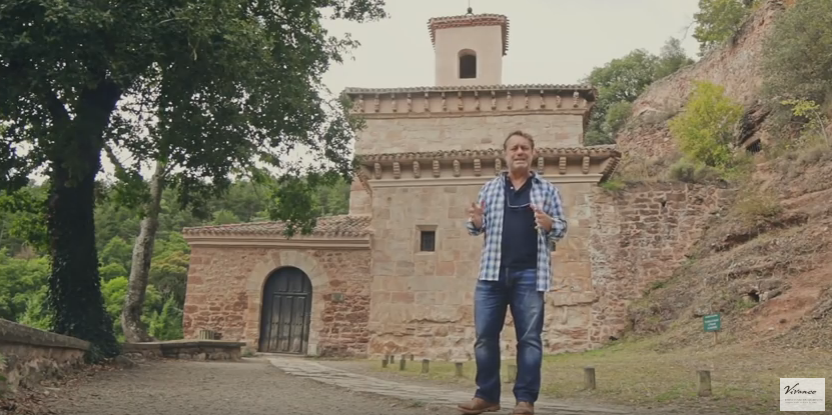
This time we discover some of the most authentic corners of La Rioja with Paco Nadal, journalist and adventurer, a specialist in travel and experiences around the world. This time he has not had to go to distant and exotic places but to the small but intense land of La Rioja.
Will you join us?
Briones and Bodega Vivanco
Briones is undoubtedly one of the most beautiful villages in La Rioja. It belongs to the area known as Rioja Alta, an area of good wine, vineyards, wineries, beautiful landscapes... Shall we find out a little more?
- Plaza de España or Town Hall Square: the real nerve centre and the most beautiful part of the town, where the main buildings of the town will be located.
- Church of La Asunción: this is the main church in the village. We can highlight its imposing baroque tower in the 'Riojan style', one of the most important towers in La Rioja.
- Palace of the Marquis of San Nicolas (the Town Hall)
- La Casona: it is the oldest civil building preserved in La Rioja (16th century). It can be said that it has been in the same place, on the same corner, for 500 years. If the walls could speak...
- Cercas de Briones: estas cercas son paseos que rodean el pueblo y desde donde se puede admirar la belleza de Briones, su entorno y los restos de la muralla. Quizás la más famosa es “la cerca de las 40″, conocida con este nombre porque desde este enclave podían verse las 40 iglesias y campanarios de Briones es más, si subías hasta aquí y rezabas, tenías 40 días de indulgencia.
Briones is also the home of Bodegas Vivanco and its Museum of Wine Culture. That's why you can't leave here without visiting this space:
- The Museum consists of 5 rooms where you can take a journey through the artistic and cultural legacy that wine has left us over the centuries (you will be able to see everything from the traditional tools of the field and the winery to works of art by outstanding geniuses of the History of Art, always with wine as the common thread).
- Winery: you will be able to visit the winery with our experts so that you can learn first-hand how the wines are made today.
"Let's toast to the pleasures of wine..."
Laurel Street
Probably the most famous tapas street in Logroño and one of the best known areas in Spain. This street is also known as "la senda de los elefantes" (the elephant's path) because you enter through one place and after so many wines you come out through another with a good trunk. Calle Laurel and its neighbouring streets (Calle de San Agustín, Albornoz and San Juan) make up an area full of bars where you can sample the exquisite gastronomy of La Rioja, so let's discover some of the best tapas:
- La Taberna del tío Blas: right at the beginning of Calle Laurel. A classic, although it also makes use of new technologies. Here you can enjoy the pork sirloin lollipop with Iberian pork tape and cheese sauce; remember to eat it with your hand and without smearing it.
- Taberna del Laurel: since 1959, a historic specialist in patatas bravas, possibly the best in Spain and perhaps the world.
- D.O. Laurel: we will taste a delicious grilled beef sirloin with red pepper.
- La Gota de Vino: although it looks very modern on the outside, inside it still has a traditional heart where you can try the classic bacon or pork loin 'zorropito'. It is a very simple but very tasty sandwich.
- La Segunda Taberna: located in San Juan street. Here we are not going to find the classic bar full of tapas because we are going to find something different. It is a bar specialising in mushrooms, fungi and cardoons, so if you are a lover of these products you will be able to enjoy them here.
As you can see, there are options for all tastes and budgets, where you can enjoy not only Rioja gastronomy and good wine, but also a great atmosphere, so you're sure to come back!
Monasteries of Suso and Yuso (San Millán de la Cogolla)
A journey to the place where the Castilian language was born, as it was in San Millán de la Cogolla, where the Monasteries of Suso and Yuso are located, that the 'Glosas Emilianenses', considered the first documents written in Castilian, were found.
- Monastery of Suso: built on ancient caves between the 6th and 9th centuries where hermits lived from the 6th century. Its extension over time means that it combines different architectural styles, creating a unique atmosphere capable of making you travel back in time.
With the growth of the community, it soon became necessary to move to a larger space, which is why the Monastery of Yuso was built.
- Monastery of Yuso: built between the 16th and 17th centuries. This is where the Benedictine community reached its maximum splendour, both religiously and artistically. Of particular note in this monastery is its impressive Chapter House, now the sacristy, in which frescoes have been perfectly preserved without the need for any intervention, frescoes that ooze pure Baroque.
An essential destination not to be missed if you visit La Rioja.
Thanks to Paco Nadal we have learned first-hand about some of the places that are a must-see if you travel to La Rioja. Now all you need to do is experience them first hand. Are you up for it?