
Wine is a living and constantly evolving food. That is why its elaboration is a complex process in which winemakers and winegrowers never have 100% control over it. The influence of the climate, the composition of the terroir or the effect of many other external factors during the cultivation of the vine, the harvesting of the grapes and the winemaking always introduce a certain percentage of uncertainty about the final result to be achieved. The job of the wineries and, particularly, of the winemakers, is to minimize as much as possible this degree of uncertainty, in order to always try to obtain the best possible wines.The winemakers' job is to minimize this degree of uncertainty as much as possible in order to always try to obtain wines of the highest possible quality.
One of the main tools to advance towards the improvement of wine is wine tasting. Therefore, today we will see what a wine tasting is and what it consists of.and the two main types of tasting that are usually carried out in the world of wine: vertical tasting and horizontal tasting..
What is a wine tasting?
A wine tasting is nothing more than a detailed and structured analysis of the organoleptic characteristics that we can appreciate when tasting a wine through our senses. Depending on the objective we pursue when tasting a wine, we will have to use one type of tasting or another. Thus, the procedure to follow during the tasting will be different depending on the circumstances: the winery will use technical tastings to determine the path to follow during the winemaking process; a distribution company will use tastings to compare wine from different wineries and decide which ones to work with; a consumer will conduct a traditional tasting to get to know and enjoy the characteristics offered by a wine, etc.
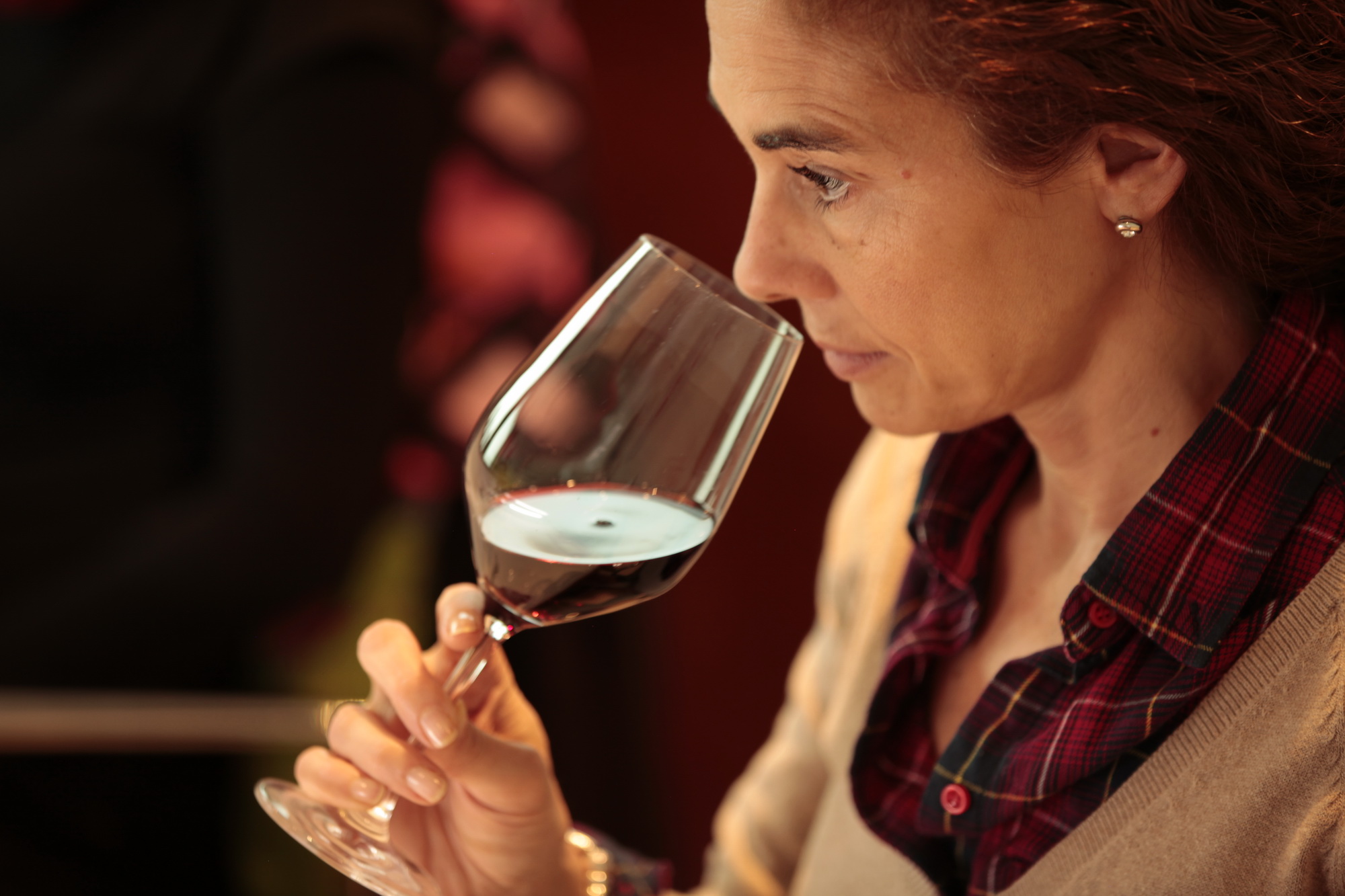
In the traditional tasting, the one known by most wine lovers, we analyze the characteristics of the wine through our senses in 3 different phases:
- The visual phase. We observe the behavior of the wine in the glass to appreciate characteristics such as clarity, intensity, color, tears or the wine layer.
- The olfactory phase. We take the wine to the nose to differentiate the different primary, secondary and tertiary aromas that the wine has developed throughout the winemaking process, from the selection of the grape variety or varieties to the evolution of the wine in the bottle during aging.
- The taste phase. We taste the wine to determine its flavor, balance or texture. Also the persistence of its aroma during the retronasal phase or the duration of its flavor.
However, it is worth mentioning another type of tasting, which will help us to know in greater depth certain characteristics of the wines and compare them with each other: the horizontal tasting and the vertical tasting.
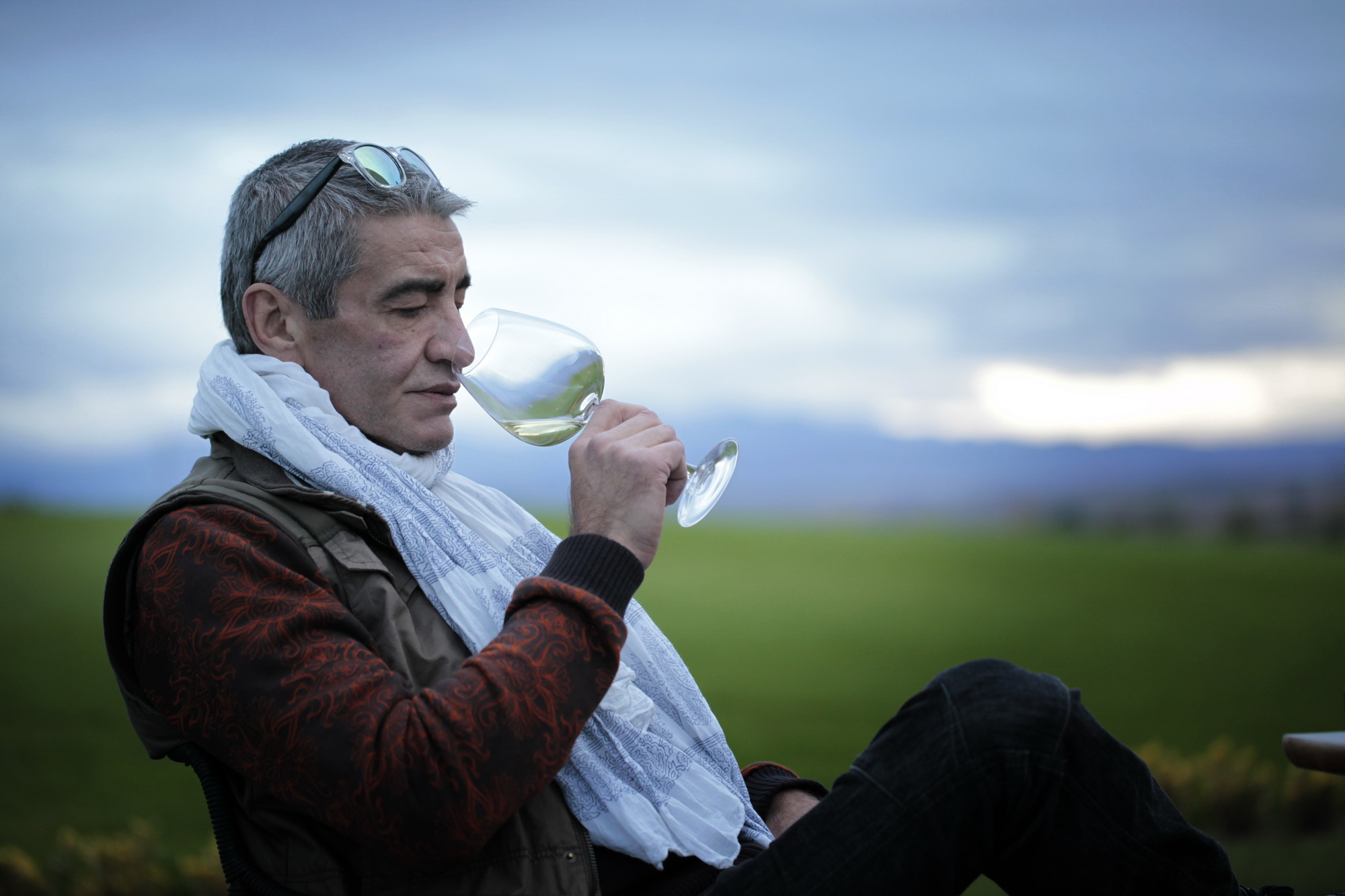
Horizontal tasting
In the horizontal tasting different wines produced in the same vintage are analyzed. In general, they will be wines that, in addition to the vintage, share some other common characteristic: belonging to a certain geographical area, a Denomination of Origin, the use of a specific grape variety, etc.
Horizontal tastings seek to determine the similarities and differences that can be appreciated between different wines. By keeping the vintage and the Appellation of Origin fixed, for example, we can deduce that the characteristics that differ from one wine to another will be caused by the effect of the terroir used by each winery, by its microclimate or by the different production methods.
This type of tastings are very useful, for example, for the Regulatory Councils of the Designations of Origin, since they allow to carry out a quality control to which the different wineries must conform. They are also widely used by wine companies dedicated to buying wine wholesale for subsequent distribution, in order to choose the wineries with which they want to work.
Vertical tasting
In the vertical tasting, on the contrary to what happens in the horizontal tasting, what is done is to submit the same wine to study, through the tasting of the product of different vintages. the same wine is subjected to study, through the tasting of the product of different vintages. In this case, factors such as the terroir, the grape variety selected or the winemaking methods remain constant. Thus, the aim of vertical tastings is to atasting is to appreciate nuances that depend on the influence of the climate or changes that may have been introduced in the winery's winemaking methodology.. This type of tasting tends to be much more exhaustive and technical, often complemented by laboratory analysis. The objective is to be able to appreciate all the changes in the characteristics of the wines, however minimal they may be.
Vertical tastings are mainly carried out by the wineries themselves. They use them in order to obtain all kinds of information that can be useful to improve wine production procedures and increase the quality of the wine. Through vertical tastings, winemakers can also check the keeping quality of wines from different vintages, as well as the behavior of these wines during their evolution in the cellar. the behavior of these wines during their evolution in the bottle. In this way, the winemaker and the rest of the winery can work to highlight these characteristics and enhance them as a hallmark of the winery's identity.
At the same time, knowing the influence of the vintage on the final result of a wine will be very useful in the future: by knowing how a wine has behaved in the face of a series of external factors conditioned by the climate, the winery can foresee the approximate result it will have in future vintages with similar conditions. In this way, it will be able to take measures to correct the effects of the climate and seek the right balance through winemaking.
Vivanco Wine Tastings
To delve deeper into the world of wine tasting and to continue learning about wine, nothing better than visiting Vivanco through one of our Experiences:
- Visit the winery, learn all about the winemaking process and enjoy a tasting of two of our wines. tasting of two of our our wines.
- Discover each and every one of our wines at the Wine Corner. Wine Corner, a very special corner where we can perform different types of tasting to learn about the characteristics and nuances that are part of the personality of each of our wines.
- Learn how to decipher all the secrets of wine in the Wine Tasting Initiation Course, where, accompanied by the best professionals, we will discover how to use our senses to appreciate all the characteristics of a wine.
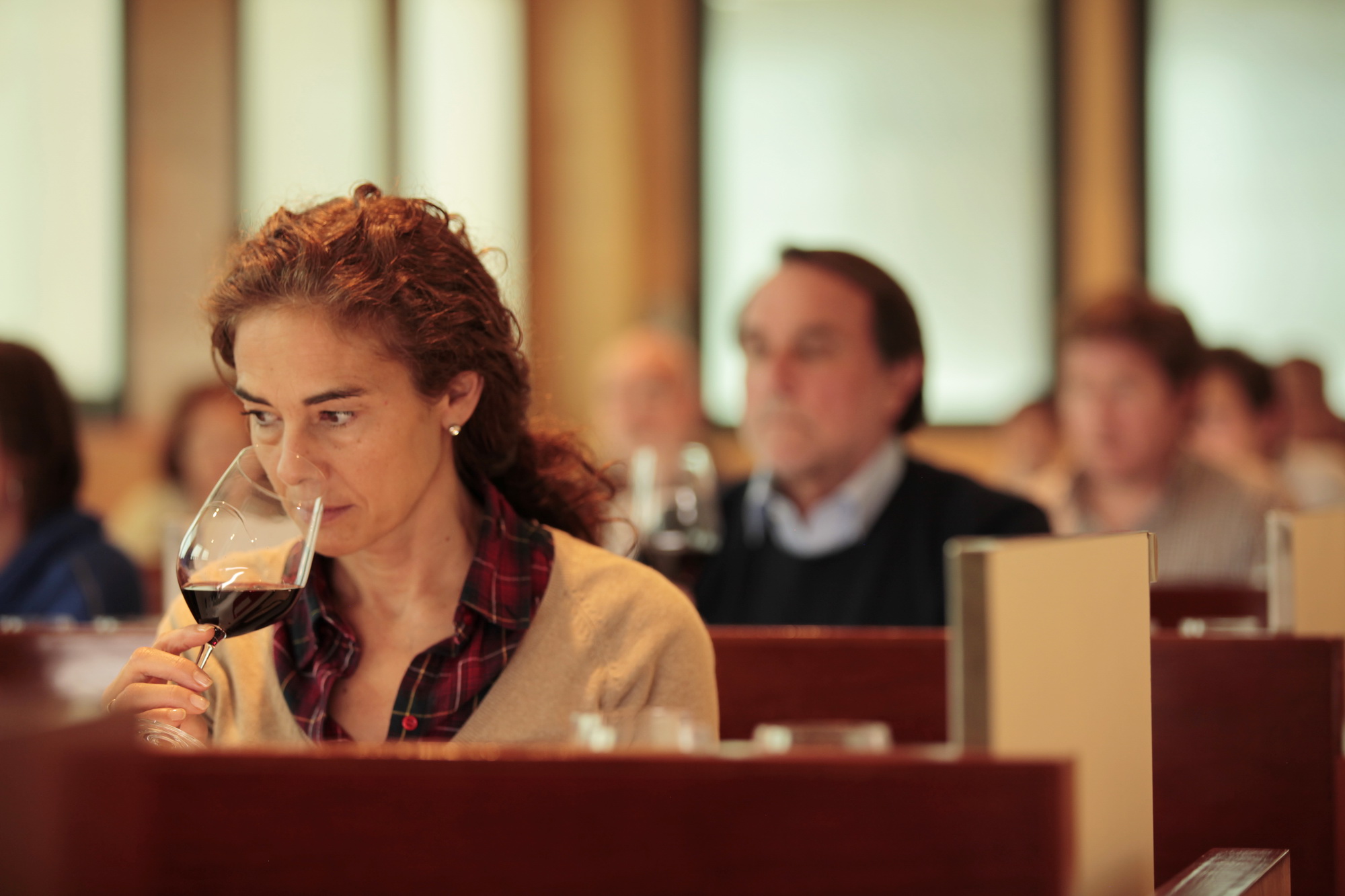
As we have seen, tastings are essential tools to obtain information about a wine. Depending on the objectives we seek and the information we need, we will use one type of tasting or another. Vertical and horizontal tastings are vital for the good development of the work of wineries and the rest of the agents that form part of the wine industry. Traditional tastings, on the other hand, help us to reveal all the secrets and nuances that a single glass of wine can contain. In either case, we will see that by increasing our knowledge, we will be able to experience the enjoyment of wine in a wider range of dimensions.