



A lo largo de la historia de la humanidad, el vino tinto ha sido usado como medicina en muchos momentos. Ya en los escritos de Hipócrates, médico de la antigua Grecia y defensor del alimento como medicina, expresaba “que tu alimento sea tu medicina, y que tu medicina sea tu alimento”. Encontramos menciones al vino y sus propiedades digestivas, tonificantes o como sustancia activadora del apetito.
In the Middle Ages, the concept of wine changed and rather than a medicine, it was considered a magical ointment and even an antidote for poisons. Wine was flavoured with herbs to create medicinal essences, such as wine with thyme, which was indicated for anaemia, dysentery and nervous diseases.
But it was not until the 19th century that science discovered that wine contained water and nutrients such as proteins, sugars, minerals and vitamins.
In the 20th century, moderate wine consumption was recommended by doctors (one glass of wine a day), due to the discovery of its vasodilator power and its influence on cardiovascular diseases.
Nowadays, everyone knows the benefits of drinking red wine -always in moderation- for our health, but what you may not be aware of are the benefits of the components of red wine, which are detailed below:
POLYPHENOLS HAVE ANTIOXIDANT EFFECTS
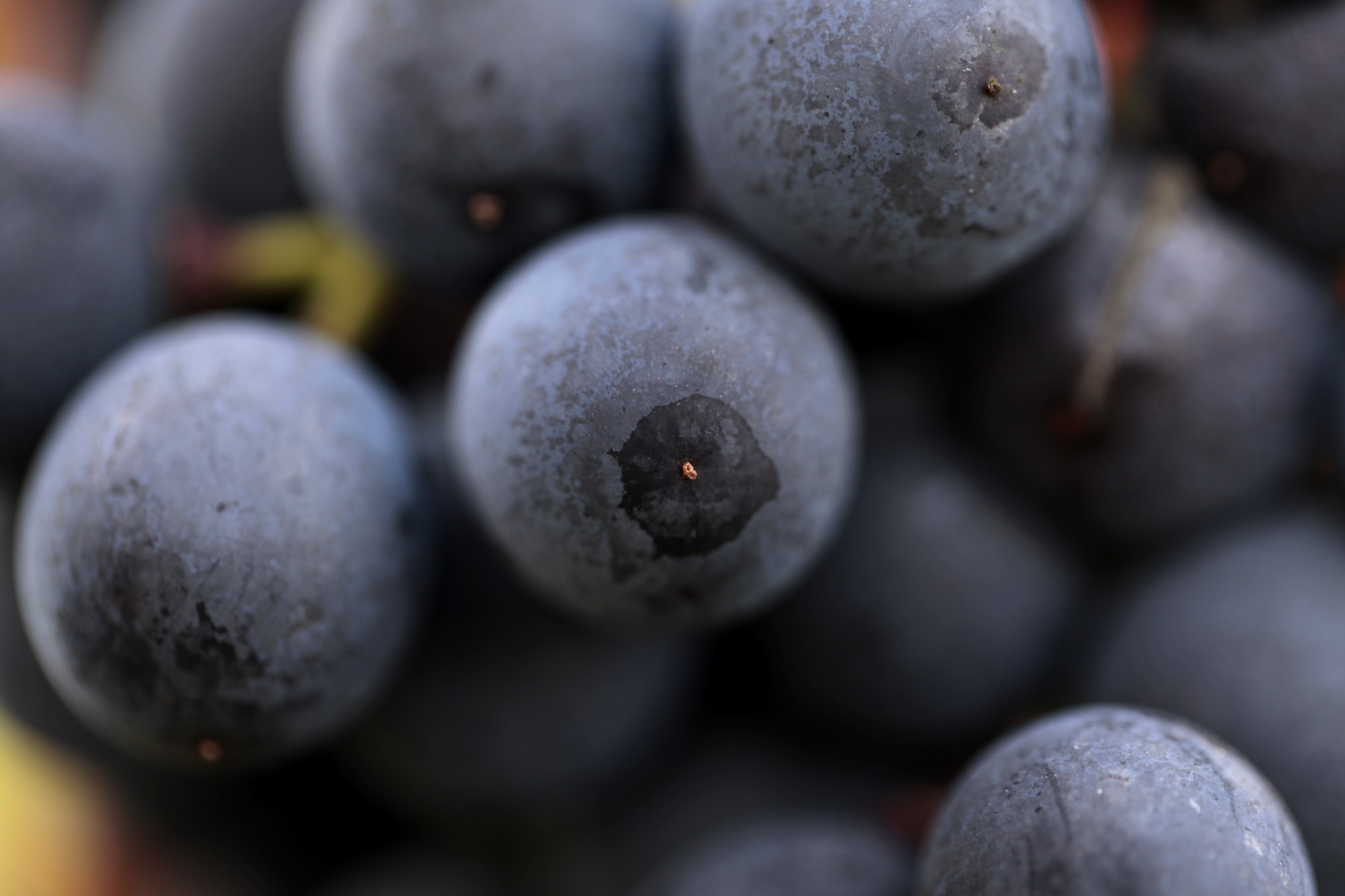
Polyphenols are molecules present in wine. These substances are found in large quantities in the skins, pips and stems of grapes and are transferred in high concentrations to the wine. In the case of red wine, they are multiplied by the fermentation process itself.
The concentration of polyphenols in wine averages 2.57 grams per litre for red wine and between 0.16 and 0.30 grams per litre for white wine. Therefore, to get the antioxidant effect of a glass of red wine (approximately 150 ml) we would have to drink about twelve glasses of white wine.
There are other foods that contain polyphenols, although to a lesser extent than wine. To achieve the antioxidant power of a glass of red wine, we would have to drink two cups of green tea, or three and a half glasses of beer, or seven orange juices, or eat four apples.
FLAVONOIDS ARE PROTECTIVE AGAINST CARDIOVASCULAR DISEASES
Flavonoids are a subgroup of polyphenols in wine that may be beneficial in preventing myocardial infarction.
Scientific studies have found that resveratrol and quercetin (the two most studied types of flavonoids) have vasodilatory and anti-inflammatory properties .

RESVERATOL IS HIGHLY BENEFICIAL AGAINST A NUMBER OF CANCERS
Resveratrol is a name given to a type of flavonoid polyphenol in wine. This polyphenol is anti-carcinogenic, anti-proliferative and anti-angiogenic. In other words, it prevents the onset of cancer, prevents the development of cancer if it is already present and even prevents the spread of cancer to organs other than the cancerous focus that originated in the first place, known as metastasis.
RESVERATOL COULD PREVENT NEURODEGENERATIVE DISEASES SUCH AS ALZHEIMER'S DISEASE
Resveratrol offers a promising option in the treatment and prevention of Alzheimer's disease, Parkinson's disease, Huntington's disease and other neurological disorders, as resveratrol treatment has been shown in numerous studies to markedly reduce brain damage caused by haemorrhage, seizures or epilepsy.
Other studies claim that this substance may be good against diabetes and may even be useful in delaying ageing, as it could activate one of the genes associated with increased longevity, although these qualities are still under investigation.

We cannot close this post without mentioning the most notable and immediate benefit of all: the pleasure of drinking a glass of wine in good company .
Cheers!





¡ qué bueno es el vino cuando el vino es bueno, pero…………… si el agua de una fuente es pura y cristalina y sale fresca !! siempre será ……………..
mucho mejor ¡EL VINOOO QUE EL AGUA!!